Relocation Guide
Relocating to the Lehigh Valley? Here's What Nobody Tells You
CT
Chris Troxell Team
Most relocation guides to the Lehigh Valley read like a tourism brochure. They tell you about the festivals, the food scene, the proximity to New York and Philadelphia and the reasonable home prices. All true. All useful. But there are things that only come up after you've actually moved, the kind of information that would have helped before the moving truck arrived.
This is that guide. It's written for people seriously considering a move to the Lehigh Valley: remote workers, tri-state relocators, people priced out of the suburbs they grew up in, families chasing school districts and square footage and a backyard that doesn't cost half a million dollars.
The headline number is accurate: the Lehigh Valley is about 63% less expensive than New York City overall, and meaningfully cheaper than Boston, Washington DC and the New Jersey suburbs. Housing costs in the region are roughly 9.5% below the national average, and food and transportation expenses are also below average.
What those comparisons don't show is the variation within the region. Allentown's median sale price is well below the Lehigh Valley's regional median of $360,000. Bethlehem runs higher, particularly on the North Side. Easton has appreciated sharply and is no longer the bargain it was three years ago. The townships (Parkland, East Penn, Salisbury, Forks) sit at different price points depending on the school district, and that variable moves the needle more than almost anything else.
The point: "The Lehigh Valley" isn't a single real estate market. It's a collection of distinct communities that happen to share a highway grid. Where you end up within the valley, and what it costs, will depend heavily on which of those communities actually fits your life.
This is the question most tri-state relocators arrive with, and the honest answer is more nuanced than the 90-minute figure that gets quoted.
Driving is roughly 85 miles via I-78 to the Holland Tunnel (about 90 minutes off-peak, two hours or more during rush hour). Most regular commuters take the bus instead. Trans-Bridge Lines runs daily motorcoach service from the Bethlehem and Allentown transportation centers to Port Authority, Wall Street, and Newark and JFK airports. The Port Authority trip is about two hours and sixteen minutes. A one-way adult fare as of February 2026 is $52, with commuter passes available.
One thing that consistently surprises people: Pennsylvania has no tax reciprocity with New York. If you work for a New York employer, you'll file in both states. It's manageable, but worth knowing before the first April rolls around.
Philadelphia is a more forgiving commute; 60–90 minutes by car, with Trans-Bridge coach service also available. For households where one partner works in Philadelphia and one works remotely, the Lehigh Valley frequently ends up being the right call.
One of the most common mistakes relocators make is treating the Lehigh Valley as a single destination and picking a house without carefully considering which community best fits their situation.
Parkland, East Penn, Emmaus, Southern Lehigh, and Saucon Valley are among the most consistently well-regarded districts in Lehigh and Northampton counties. Properties within these districts command a premium, and that premium is generally justified by resale performance and educational outcomes.
For those who want urban texture — walkable streets, good restaurants, a neighborhood that feels alive — Bethlehem's North Side, Easton's College Hill and Allentown's West End are the right conversations to have. These are neighborhoods where you can live without a car for most of your daily life, which is rarer than it sounds in eastern Pennsylvania.
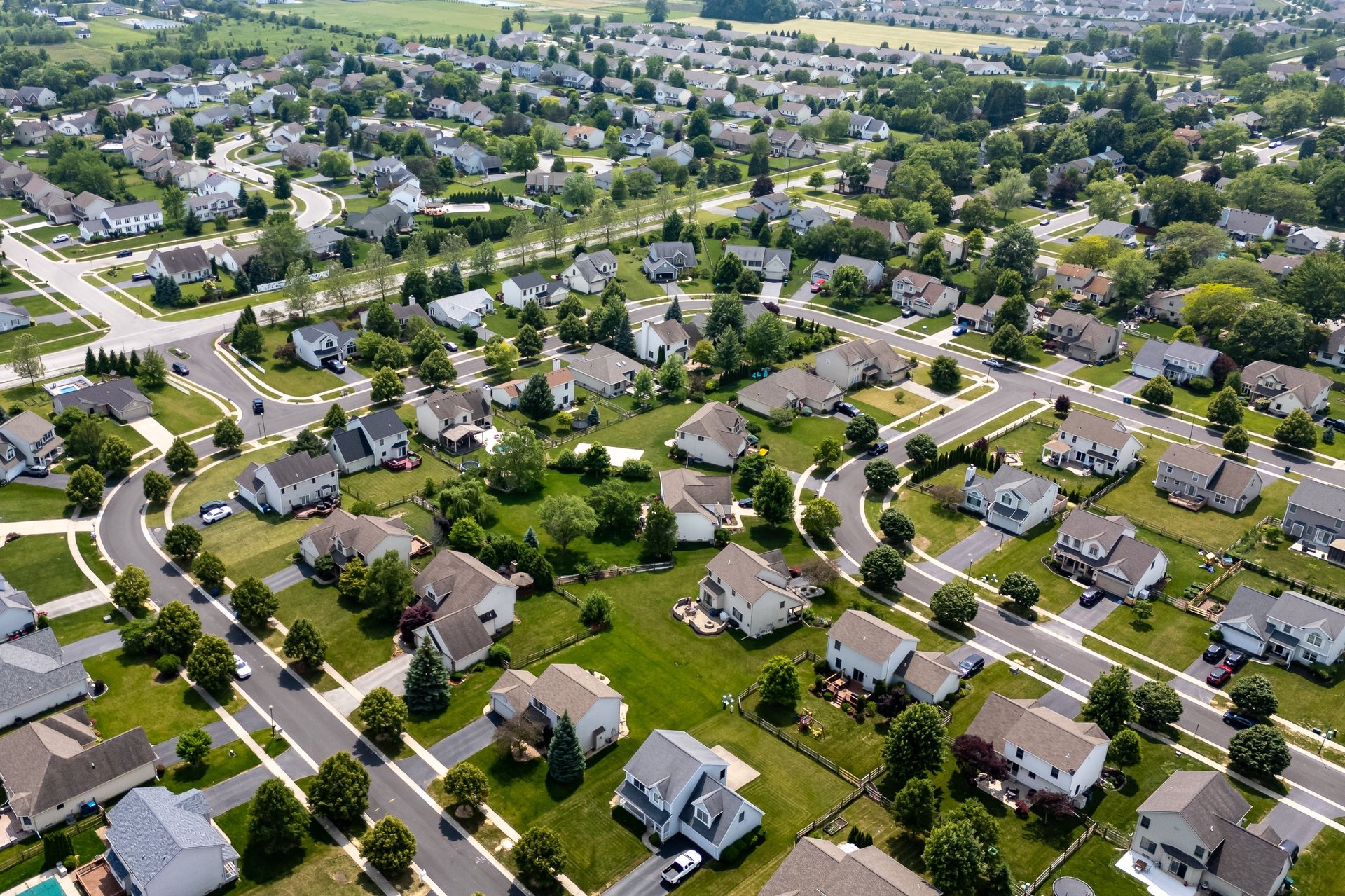
Upper Macungie, Hanover Township, Lower Saucon, and parts of Forks Township offer suburban communities with larger lots, attached garages, and more square footage — at prices significantly lower than comparable locations closer to Philadelphia or New York.
For buyers who want the LV lifestyle but need occasional access to the mountains, the eastern townships (Forks, Palmer, Bethlehem Township) put you 30–45 minutes from the Pocono Mountains, which matters more than you'd think once you're actually living here and deciding what to do on a winter Saturday.
A few things about purchasing a home in the Lehigh Valley that are worth knowing before you start.
Well-priced homes in desirable neighborhoods are going pending in under ten days. Buyers relocating from markets where you have a few weekends to think are sometimes caught off guard. Coming in pre-approved and knowing your priorities before you start looking isn't optional here; it's the baseline.
You will probably need to make at least one offer sight unseen or on short notice. For out-of-state relocators especially, this is the reality of a competitive regional market. Working with an agent who can do a thorough video walkthrough and who knows the neighborhood well enough to give you an honest read remotely is not a luxury; it's a practical necessity.
The Allentown transfer tax changed in 2026 — now 2.5% (up from 2%) within city limits. For a $350,000 home, that's $8,750 at closing. Property taxes also vary significantly by municipality. Always request the current tax bill on any property you're seriously considering.
A few observations from working with relocators for years.
Bethlehem's restaurant corridor, Easton's growing dining district, and the broader region's farm-to-table infrastructure are genuinely good. You won't miss most of what you left behind.
The Lehigh Valley sits in a geographical pocket that gets meaningful snowfall, more than Philadelphia and, occasionally, more than predicted. If you're coming from a warmer climate, factor that in. The flip side is that the proximity to the Pocono ski resorts means it's an asset rather than just an inconvenience for people who like winter activities.
The Lehigh Valley has a strong sense of local identity. Generational families, deep civic engagement and a real interest in local culture make it feel more rooted than many comparable mid-sized metro areas. That's often exactly what relocators are looking for. It just takes a little longer to find your way into it than it would in a transient city.
I-78, Route 22, the PA Turnpike and Route 309 create a grid that makes virtually everything in the northeast reachable. The Lehigh Valley's emergence as a logistics hub is a product of exactly this access. For residents, it means getting to New York, Philadelphia, the shore or the mountains is genuinely easy.
Relocating to the Lehigh Valley is a big decision. Let us help you find the right community for your life stage, budget, and priorities — with honest, local insight you won't get from a brochure.