A typical inspection runs $400 to $600, and the standard agreement of sale gives you 10 days to do it. Here's what gets checked, what it costs here, and how the contingency actually works.
A Pennsylvania home inspection usually costs about $400 to $600 for a typical Lehigh Valley house, with extras like radon testing, a wood-destroying insect report and a sewer scope running roughly $75 to $400 each. Under the standard Pennsylvania agreement of sale, buyers get 10 days to complete inspections unless a different period is written in, followed by a 5-day negotiation window if they ask for repairs or credits.
The state doesn't license home inspectors, but it does require them to be full members of a national home inspection association and to carry liability insurance.
You've found the house, your offer was accepted, and now there's a stranger in the attic with a flashlight. That's the home inspection, and for most buyers it's the most important 10 days of the whole purchase.
This guide covers what a Pennsylvania inspection includes, what it costs here, how the contingency in your agreement of sale works and how winter changes the picture. If you're still deciding where to buy, our communities page is a good place to start, and our buyer resources walk through the rest of the process.
$400–$600
Typical inspection cost
10 days
Standard inspection period
2–4 hrs
Time on site, typical home
Sources: Pennsylvania Association of Realtors standard agreement of sale; local inspector pricing.
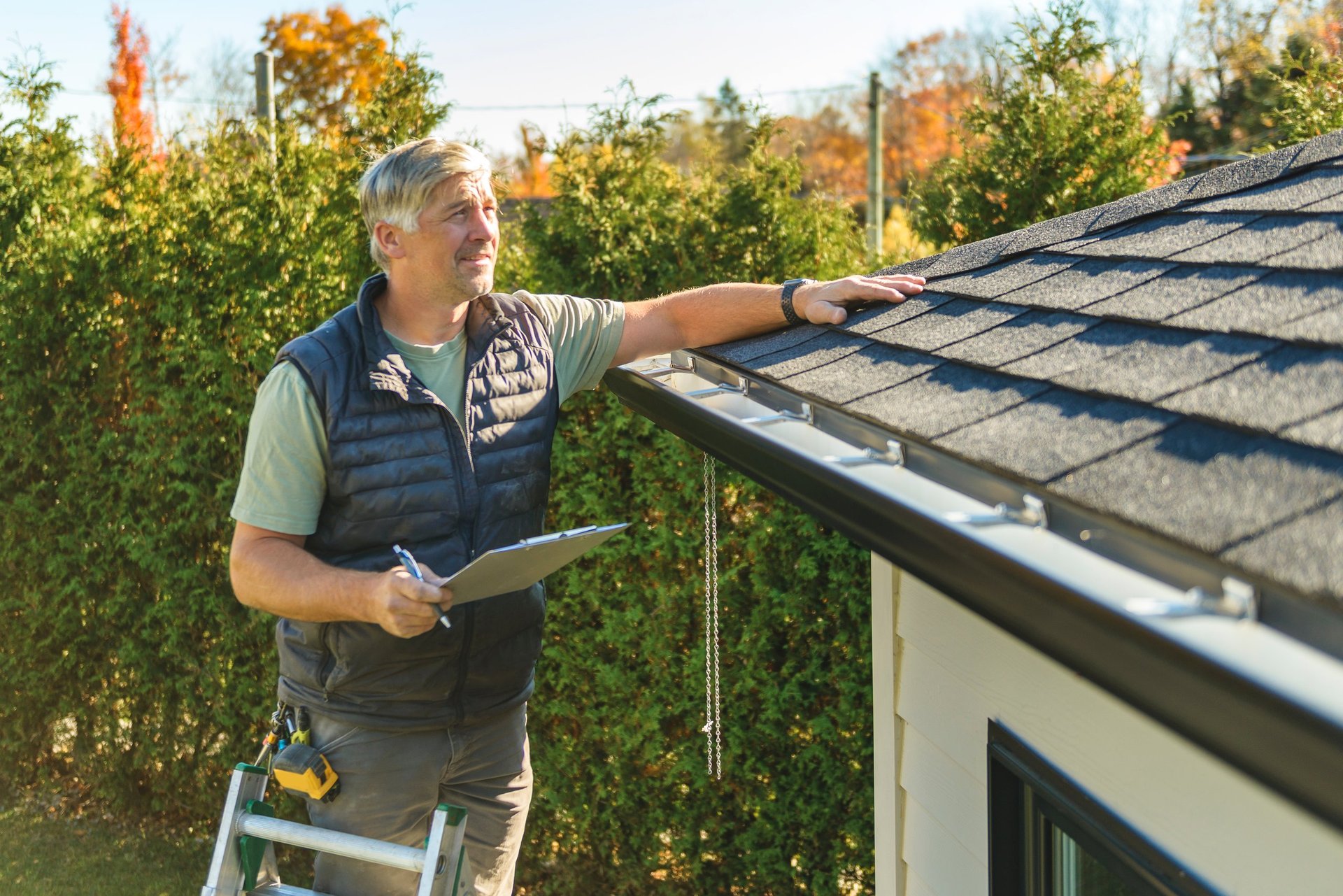
A standard home inspection is a visual, noninvasive look at the home's major systems on the day of the visit. Your inspector will walk the roof (or look at it from the ground or a ladder), the attic, the foundation and basement, the exterior and grading, the plumbing, the electrical panel and wiring, the heating and cooling equipment and the water heater. Expect two to four hours on site for a typical single family home and a written report with photos a day or two later.
Just as important is what a standard inspection leaves out. Pennsylvania's home inspection law specifically excludes things like environmental hazards and toxic chemicals from the definition of a home inspection. That's why radon, mold sampling, termites, sewer lines, well water and septic systems are handled as separate tests, often for separate fees. Inspectors also won't open walls, move the seller's furniture or predict how long a furnace will last.
Because much of Eastern Pennsylvania sits on geology that produces high radon levels, a radon test is worth adding to almost any purchase here. Our radon guide for Eastern PA buyers explains what the numbers mean and what mitigation costs.
Pennsylvania doesn't issue a state home inspector license. Instead, the state's Home Inspection Law requires anyone performing a home inspection to be a full member in good standing of a national home inspection association like ASHI or InterNACHI. A newer inspector can also work under a full member who reviews and signs the report.
Inspectors must carry errors and omissions and general liability insurance too, with coverage of at least $100,000 per occurrence. For buyers the practical checks are simple: ask which association your inspector belongs to, ask for proof of insurance and ask to see a sample report before you book.
No state license
Pennsylvania doesn't issue one
Association member
ASHI or InterNACHI required
$100K coverage
Minimum liability insurance
For a typical single family home, most Lehigh Valley inspectors charge somewhere around $400 to $600. Bigger and older homes cost more. Condos and townhomes usually cost less. The common extras look like this:
Worth doing on almost any purchase here, since much of Eastern Pennsylvania sits on geology that produces high radon levels.
VA loans commonly require one, and plenty of other buyers order it anyway for peace of mind.
A camera runs through the main line to the street, which is money well spent on older homes with original clay or cast iron pipes.
On rural properties, often handled by a specialist. Our well and septic guide walks through what those inspections involve.
Many inspectors bundle these, so a full package with radon and a termite report often lands somewhere between $600 and $900. Prices vary from company to company, so it's worth getting a couple of quotes.
Most Pennsylvania homes are bought using the standard agreement of sale from the Pennsylvania Association of Realtors. Its inspection contingency follows a predictable rhythm that agents often shorthand as 10, 5 and 2.
Unless your agreement sets a different number, you have 10 days from the fully signed agreement to finish inspections and decide what to do.
If you send a written corrective proposal asking for repairs or credits, a 5 day negotiation period starts once that 10 day window ends.
If you and the seller can't reach an agreement, you get 2 more days to accept the home as it is or terminate.
Within the inspection period, you have three options: accept the property, terminate the agreement or submit that corrective proposal. The standard form also calls for buyers to share their inspection reports with the seller, so write your requests knowing the seller will see exactly what the inspector found.
In competitive situations, some buyers shorten the inspection window or keep the inspection for information only. That can make an offer stronger. Talk through the tradeoff with your agent before giving up protection you might want later.
Buying between Thanksgiving and March? Expect a few limits. Snow on the roof can keep an inspector from seeing shingles and flashing, so the report may describe the roof as only partly inspected. Most inspectors won't run central air when the outdoor temperature is below roughly 60 degrees, since that can damage the compressor. Frozen ground can also hide grading and drainage problems that only show up in spring.
Snow-covered roof
Shingles and flashing may go unseen
Cold-weather AC
Central air often stays untested below 60°
Frozen ground
Grading and drainage problems stay hidden
None of that is a reason to avoid buying in winter. It just means asking the right follow up questions. You might request recent HVAC service records from the seller, schedule a roof check once the snow clears or talk with your agent about a credit for anything the inspector couldn't evaluate.
Winter has one real advantage. The heating system gets a genuine workout, and you'll see firsthand whether rooms stay warm, windows sweat or ice builds up along the gutters.
Every inspection report finds something. Even new construction comes back with a list. The trick is separating real problems from routine maintenance.
Focus your requests on safety issues, major systems and anything actively failing, such as a leaking roof, a cracked heat exchanger, outdated wiring or water in the basement. Let the sticky cabinet doors go. Sellers respond much better to a short list of serious items than to 40 small ones.
Credits often work better than repairs. A seller in the middle of a move has little reason to hire the best contractor, while a credit lets you handle the work on your own terms after closing. Lenders do cap how much a seller can contribute, so your agent may suggest a price reduction instead.
Keep in mind that your inspection is separate from the municipal resale inspection many Lehigh Valley towns require. That one is the seller's job, though any violations it turns up can still affect your closing date.
A credit gives you control over who does the work and how. A repair gives you certainty that it's done before closing. Ask your agent which fits the specific item.
An inspection is only as useful as the advice that comes with it. The Chris Troxell Team helps buyers line up the right inspections, read the reports with a level head and negotiate the fixes that actually matter.
Serving Allentown, Bethlehem, Easton and communities across Eastern Pennsylvania.