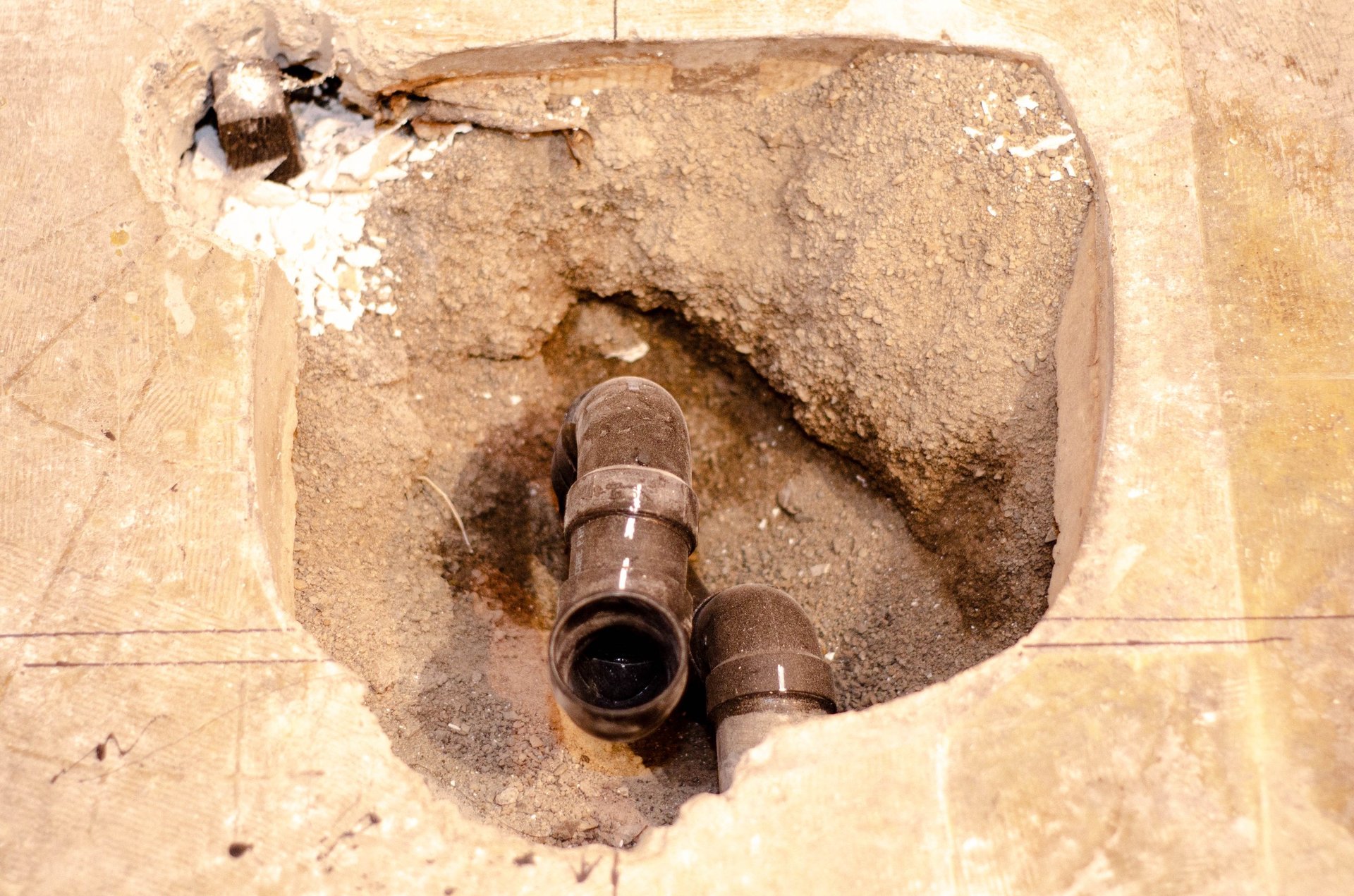
Open concrete floor revealing plumbing pipes during renovation work. The image shows drainage lines, construction debris, and infrastructure access for repair, installation, or maintenance in a building foundation
Buyer Health & Safety

Radon in Eastern PA Homes: What Lehigh Valley and Berks County Buyers Should Know

About 40% of tested Pennsylvania homes come back above the EPA action level — and the Reading Prong runs right through our region. Here's how to test, what the numbers mean, and what fixing it actually costs.

Published: October 2026 Chris Troxell Team 7 min read
The Short Answer

Common, Fixable, and Worth Testing For

Radon is common in Eastern Pennsylvania homes, and it's easy to fix. Pennsylvania DEP estimates about 40% of homes tested statewide have radon above the EPA action level of 4 picocuries per liter (pCi/L), and levels run especially high on the Reading Prong, which stretches through Berks, Lehigh and Northampton counties.

Buyers should include a radon test in their inspection, using a DEP certified tester. If the result comes back at 4 pCi/L or higher, a mitigation system typically costs about $1,000 to $2,500 and can be negotiated with the seller.

Radon comes up in almost every inspection we see in Berks and Lehigh counties. If you're shopping in either area, our Reading and Allentown community guides are a good place to start narrowing down neighborhoods.

~40%

Of PA homes tested exceed 4 pCi/L

4 pCi/L

EPA action level

$1K–$2.5K

Typical mitigation cost

Sources: Pennsylvania DEP, U.S. EPA.

What Radon Is and Why Eastern PA Has So Much of It

Radon is a radioactive gas that forms naturally when uranium in rock and soil breaks down. You can't see it, smell it or taste it. It seeps up through the ground and into homes through foundation cracks, sump pits and gaps around pipes. Over many years, breathing high levels raises the risk of lung cancer. The EPA calls radon the leading cause of lung cancer among people who don't smoke.

Eastern Pennsylvania has a lot of it because of what's underground. The Reading Prong, a band of uranium rich granite and gneiss, runs from the Reading area northeast through southern Lehigh and Northampton counties toward New Jersey.

1984: Boyertown, Berks County

A construction engineer at the Limerick nuclear plant kept setting off radiation alarms on his way into work. The source turned out to be his own home. That discovery led Pennsylvania to create one of the country's first radon certification programs.

2014: A State Record

DEP recorded a home in southern Lehigh County at 6,176 pCi/L — the highest reading ever found in the state.

None of this should scare you away from the area. It just means radon testing is a normal part of buying here. If you're considering Berks County, our guide to Reading and Wyomissing real estate covers what else to know about the market.

Radon Testing When Buying a Home

Pennsylvania's standard agreement of sale gives buyers the option to include a radon inspection, and in this region you should almost always take it. Here's how it typically works:

Hire a DEP Certified Tester

Pennsylvania law requires anyone performing radon testing or mitigation to hold DEP certification. You can check a tester's status on the DEP website.

Expect a 48 Hour Test

Most real estate tests use a continuous monitor placed in the lowest livable level of the home.

Keep the House Closed

Windows and exterior doors need to stay shut for about 12 hours before and during the test, so results reflect normal conditions.

Plan on a Modest Cost

A professional real estate radon test usually runs about $100 to $250, and many home inspectors bundle it with the general inspection.

Also ask the seller whether the home has been tested before. Pennsylvania's seller disclosure form asks about radon tests and existing systems, and past results give useful context.

What Your Radon Test Results Mean

Radon is measured in picocuries per liter (pCi/L). Here's the simple version:

Under 2

pCi/L

Low

Generally considered low. No action needed.

2–4

pCi/L

Consider Mitigation

Below the action level, but the EPA suggests considering mitigation, especially if you'll spend a lot of time in the basement.

4+

pCi/L

At or Above the EPA Action Level

A mitigation system is recommended.

Readings above 4 are very common here, so try not to panic over the number itself. A home testing at 15 or 30 pCi/L can usually be brought down below 4 with a standard system.

Radon Mitigation Cost in the Lehigh Valley and Berks County

The most common fix is a sub slab depressurization system. A contractor drills a hole through the basement floor, runs PVC pipe from beneath the slab up and out of the house and installs a small fan that pulls radon from the soil and vents it above the roofline. Most installs take a day or less.

DEP Cited Typical Cost

$800 – $1,200

Pennsylvania DEP's published typical range for a mitigation install.

Common In Our Area

$1,000 – $2,500

Local quotes vary with foundation type, crawl spaces and how the pipe is routed.

Older homes with fieldstone foundations or multiple slab sections often land at the higher end.

Follow Up Test

After installation, a follow up test confirms the system works.

Low Running Costs

Mostly the electricity for a fan that runs around the clock. Fans typically need replacing every several years.

How to Negotiate a High Radon Result

A high radon reading rarely kills a deal. It usually just turns into a negotiation. Common outcomes include:

Seller Installs It

The seller installs a system before closing, using a DEP certified mitigator, with a passing retest.

Closing Credit

A credit so you can choose your own contractor after you move in.

Price Reduction

A price reduction that reflects the cost of mitigation.

Many buyers prefer the credit. That way you control the contractor, the pipe placement and the quality of the install. If the seller handles it, ask for the contractor's certification, the system details and the post mitigation test results.

On the flip side, a home that already has a working mitigation system and recent passing test results is a plus. It's one less thing to worry about.

Radon in Newer Homes and Well Water

A newer home doesn't mean low radon. Tighter, more energy efficient construction can actually trap more of it inside. DEP encourages builders to install radon reduction systems during construction, and many new homes in the Lehigh Valley come with a passive pipe already in place. A fan can be added later if testing shows it's needed, which is much cheaper than retrofitting.

If the home has a private well, ask about radon in the water too. Radon from well water can be released into the air when you shower or run the dishwasher. It's a separate test from the air test, and a water test from a DEP accredited lab can include it.

New Construction

Many new homes already have a passive pipe installed during construction. Testing tells you whether a fan is needed.

Private Wells

Radon in well water is a separate test from the air test and can be included with a DEP accredited lab water test.

Radon in Eastern PA Homes: FAQ

Is radon common in the Lehigh Valley?

Should I buy a house with high radon?

How much does radon mitigation cost in Pennsylvania?

How long does a radon test take when buying a house?

Does the seller have to fix radon in Pennsylvania?

Do new construction homes need radon testing?

Buying a Home in Radon Country? We've Got You Covered.

Radon is part of buying a home in Eastern Pennsylvania, and handled the right way, it's a small step rather than a big worry. The Chris Troxell Team helps buyers in Berks County and the Lehigh Valley schedule the right inspections, understand the results and negotiate a fair fix.

Ready to start looking? We'll help you line up the right tests.