Seller Strategy
Selling Your Home in Summer: Why June and July Are Stronger Than You Think
CT
Chris Troxell Team
Most sellers in the Lehigh Valley spend March and April convinced they've already missed the window. The spring market gets all the attention with the open house crowds, the bidding wars, the listings that go pending before the weekend is even over, and by the time June rolls around, the assumption is that the best of it is behind them.
That assumption is wrong, and it costs sellers who act on it. June and July aren't the leftovers of spring. They're their own selling season, with their own buyer pool, their own motivations, and a track record in the Lehigh Valley that backs them up. Here's why.
Last year told the story clearly. The Greater Lehigh Valley Realtors reported a median sales price of $375,000 in July, surpassing the previous high of $370,000 set just the month before in June. Homes were still selling quickly and, on average, for more than the asking price, which is language usually associated with spring rather than the back half of the year.
This spring confirmed it again. The median climbed 8.7% to $375,000, tying the record set last July, as steady buyer activity and limited inventory kept prices under pressure even into the season. As one GLVR official put it, well-positioned homes continue to draw attention from buyers across the Lehigh Valley, and homes priced right and showing well are still moving quickly, often at or above list price.
That's not a fluke. Nationally, ATTOM data shows homes sold in June transact at roughly 12.4% above automated valuation, nearly matching May's 13.1% premium, which is traditionally considered peak selling season. The gap between spring and early summer is thinner than most sellers assume, and in a market with the Lehigh Valley's tight supply, that gap narrows even further.
The reason comes down to who's actually shopping.
There's a version of the summer real estate story that frames it as a slowdown, with fewer lookers and more casual browsing from people who'd rather be at the shore. That's not what the data shows, and it's not what we see on the ground either. June and July pull in a specific kind of buyer, and that buyer usually has a deadline.
The most time-sensitive buyers in the entire market. They need to be settled and enrolled before September — a hard constraint that doesn't move. For sellers in Parkland, East Penn, Saucon Valley, or any in-demand district, this is the highest-motivation buyer pool you'll see all year.
Companies often coordinate transitions to land in summer for family and Q3 fiscal reasons. These buyers frequently come with employer relocation assistance, a defined closing date, and no existing home to sell — close to ideal from a seller's perspective.
Buyers relocating from New York or New Jersey concentrate their serious searches in summer. They can finally take real time off, do a proper scouting trip, and make decisions in a way that's harder during the compressed weekends of spring. None of these buyers are window shopping.
Here's the part that surprises people. While buyer demand stays strong through June and July, the number of sellers listing actually drops off from its spring peak. Homeowners who were sitting on the fence in April either decided to move forward then or decided to wait until next year, and new listings thin out as a result.
That means a well-presented home listed in June faces less competition than it would have in March. Instead of going up against six similar homes in the same zip code, a seller might be competing with two or three, which means more attention from the buyers who are still actively looking.
In a market like the Lehigh Valley, where inventory has been running below long-term norms (around 693 active units across Lehigh and Northampton counties as of this spring, down nearly 8% year over year), the summer dip in new listings doesn't suddenly turn things into a buyer's market. It just concentrates the demand that's still out there onto fewer available homes. For sellers who are listed, that's a favorable setup.
The key insight: Summer doesn't flood the market with inventory the way spring does. It concentrates buyer demand onto fewer homes. For the seller who is listed and well-positioned, that math works in your favor.
This part is simple but worth saying directly. Most Lehigh Valley homes present better in June and July than at any other time of the year.
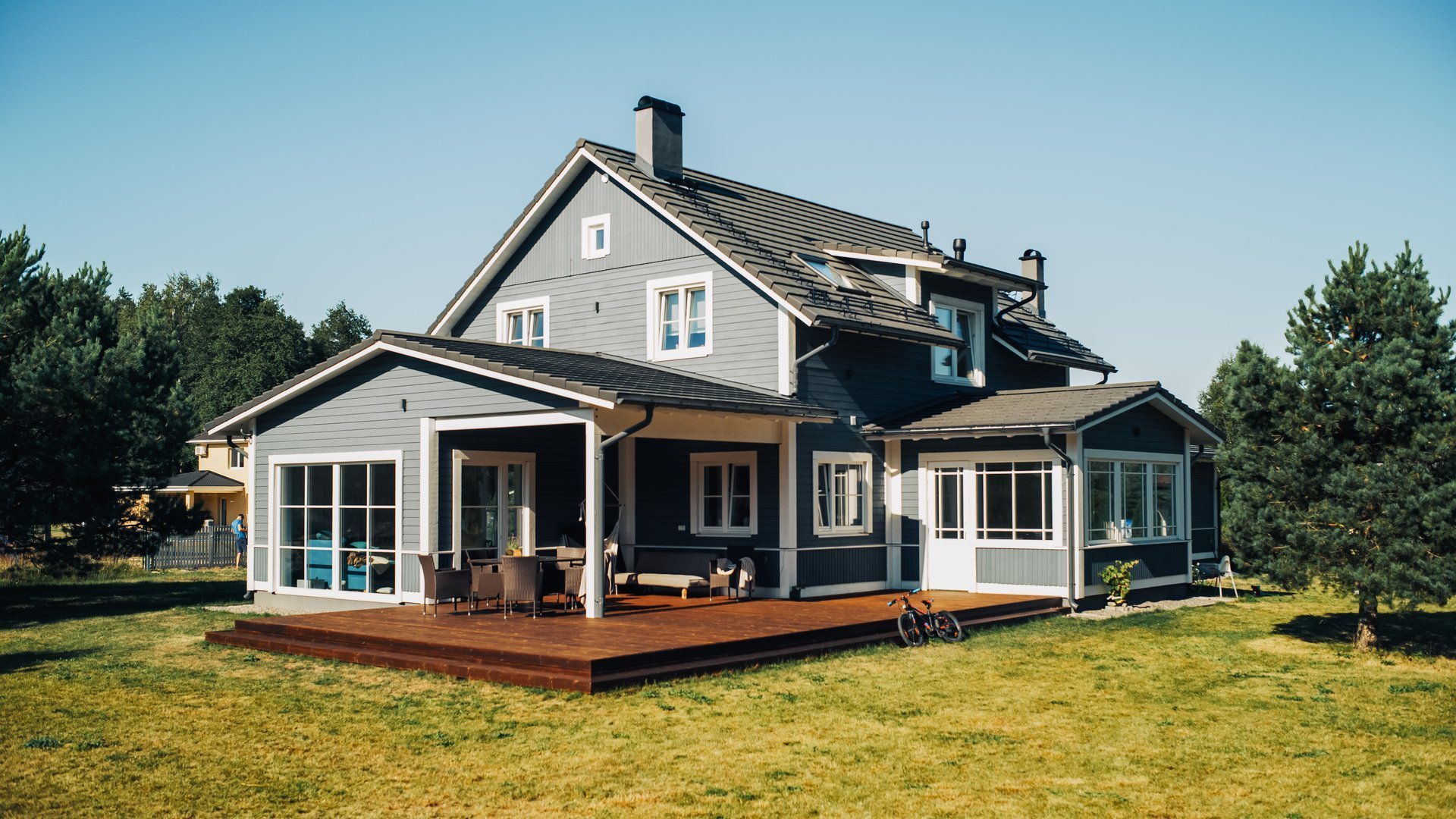
Trees are full and green. Lawns and gardens are at their best. Decks, patios and outdoor living spaces (the features buyers increasingly care about) can be staged and shown as real functional space rather than something buyers have to picture in their heads. The longer evening light means evening showings look warm and inviting instead of dim and gray.
Listing photography shot at peak summer is simply more compelling than the same exterior shot in March when the yard is bare and the light is flat. Buyers make decisions partly on lifestyle, and a lot of Lehigh Valley buyers, especially those relocating from denser markets, respond to homes that show them that lifestyle in full bloom.

One thing worth saying plainly: the summer selling window has a real end date.
August is still strong. September is when the shift starts. By October, the buyer pool has changed noticeably. The school year families have already made their decisions, the corporate relocation window has mostly closed, and the market moves into its fall phase, which tends to bring fewer transactions and buyers with different timelines and leverage.
The practical takeaway is that if you're thinking about listing this summer, June and July are when you want to actually be on the market, not late August. A listing that goes live in late August is fighting against the psychology of fall, with buyers wondering whether to wait until spring and fewer family-urgency deadlines pushing decisions along. If your home is ready now, there's no real advantage to waiting.
Highest buyer motivation, best showing conditions, competitive offers at or above list.
Good activity but the urgency starts to soften. List early in the month if possible.
Buyer pool changes. Family deadlines passed. Different timeline, different leverage.
Clean up the deck, pressure wash the patio, put the furniture back out. If you've got mature landscaping, make sure it's well kept and that your listing photos actually capture it. Summer is when those features earn their keep.
Summer buyers may be motivated, but they're not uninformed. An overpriced summer listing doesn't get a pass; it still sits. And a listing that drags through June and July carries an even harder stigma heading into fall. For a data-driven pricing strategy, see our home pricing guide.
Summer buyers often work on tighter timelines. A family that needs to be enrolled by September can't afford an eight-week closing. Being flexible on the closing date and working with a team that can move fast from contract to close makes a real difference.
The June–July window rewards sellers who act decisively. Let's talk about your home's position in the current market, what your pricing strategy should look like, and how to make the most of a season that works better than most people think.