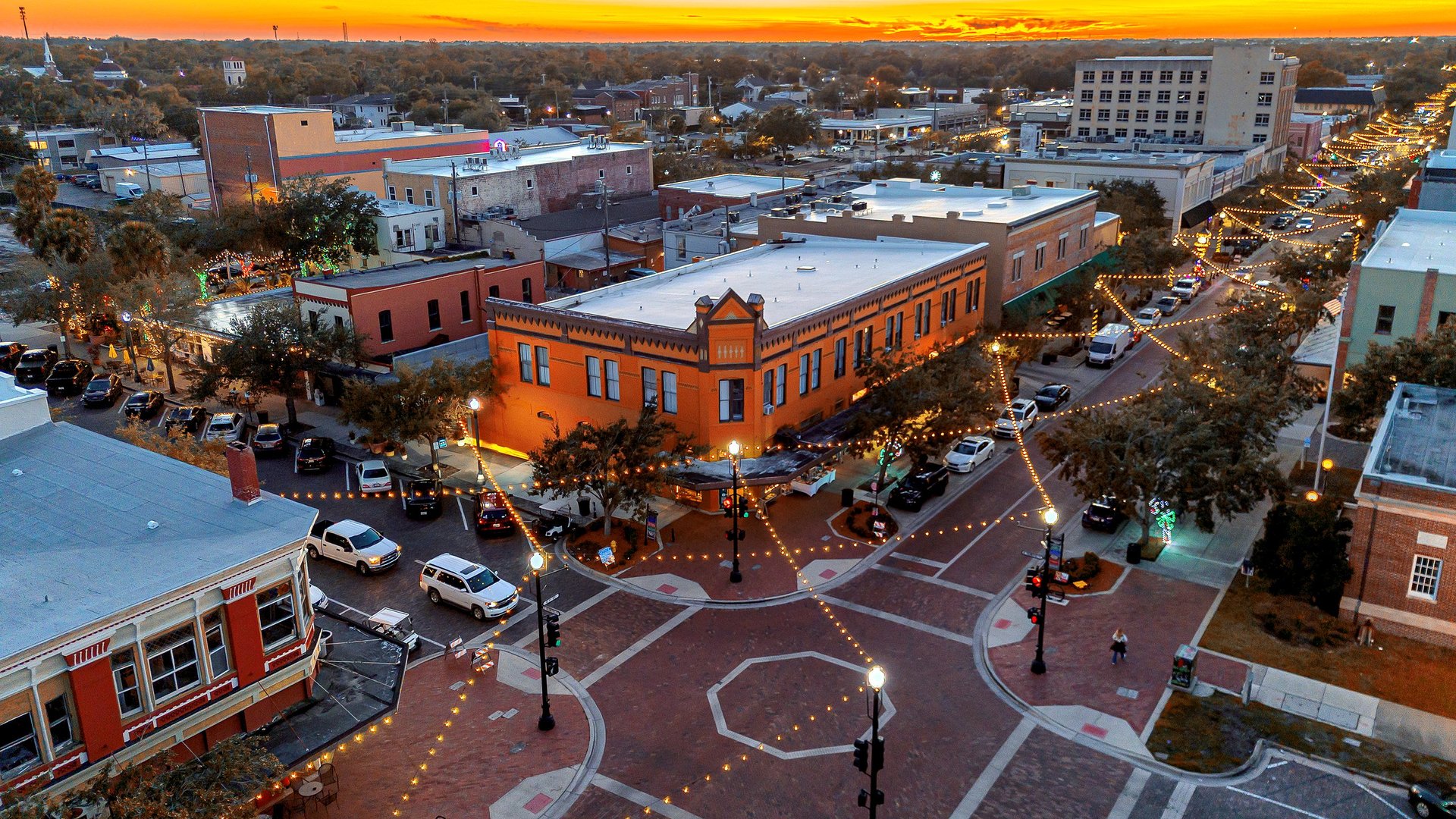
Aerial view of a historic downtown urban cityscape at sunset
Market Insight

Reading PA's Urban Revival: What It Means for Buyers and Investors in Berks County

A city of 95,000 with a new CRIZ designation, $60 million in university investment downtown, and home prices well below the state median. Here's what's actually happening in Reading and what it means for your next move.

CT
Chris Troxell Team
| July 2026 | 15 min read

Reading PA is a city of 95,000 in Berks County with a new City Revitalization and Improvement Zone (CRIZ), $60 million invested by Alvernia University's CollegeTowne initiative on Penn Street, and the GoggleWorks Center for the Arts driving cultural momentum downtown. Median home prices run well below the Pennsylvania statewide median of $320,000, making Reading one of the most affordable urban entry points in Eastern Pennsylvania. It's a city in motion, not a finished product, and buyers who understand that distinction tend to make smarter decisions here.

If you've written off Reading, you're not alone. The city spent years carrying a reputation that was hard to shake, and some of it was earned. But the Reading that shows up in 2026 is a different place from the one that made national headlines a decade ago, and buyers who never updated their mental picture are missing something. This isn't a story about a city that turned itself around overnight. It's a story about steady, serious investment, from a university, from the state, from private developers and from a local government that has been pushing in the same direction for several years. The downtown looks different. The numbers are moving. And for buyers and investors who are willing to do their homework, the opportunity is real.

1

The Honest Version of Where Reading Stands

Reading is Pennsylvania's fifth-largest city, with about 95,000 people in the Schuylkill River valley, roughly 60 miles northwest of Philadelphia. Reading Hospital is the city's largest employer and one of the best healthcare institutions in the region.

The challenges haven't disappeared. The school district is below state averages on performance metrics, property crime varies a lot by neighborhood and the fiscal pressures of running a large Pennsylvania city are real. None of that is a secret, and anyone selling you on Reading without mentioning those things is doing you a disservice.

What has changed is the investment picture. Over the past decade, a string of institutional commitments — Alvernia University planting its flag on Penn Street, the GoggleWorks Center for the Arts anchoring the arts district, Reading Hospital expanding, private developers converting historic buildings to apartments — has created genuine momentum. And in 2024, Reading got access to a new economic tool that Bethlehem used to build SteelStacks. That's not a minor development.

2

The CRIZ: What Reading's New Economic Tool Actually Does

The City Revitalization and Improvement Zone is a Pennsylvania program that redirects certain state tax revenues generated within the designated area back into that area rather than sending them to Harrisburg. It sounds technical, but the practical effect is significant: businesses and developers inside the zone have access to reinvested tax revenue to support projects, which makes investment more attractive and development more financially viable.

Reading is one of five cities in Pennsylvania that has this designation. Bethlehem got its CRIZ in 2012 and used it to help fund SteelStacks and the broader South Side cultural district. Lancaster used its designation to fuel downtown retail and residential growth that has made it one of the hottest small cities on the East Coast. Reading joined that club through Pennsylvania's 2024-25 budget legislation.

The city's CRIZ authority is projecting over $540 million in economic activity over 30 years, a 50% increase in property values within the zone and 3,000 jobs created by program completion. Those are long-range targets, not next-year numbers. The CRIZ is a slow-burn investment mechanism, not a flip catalyst. But for buyers thinking about Reading as a five or ten year play, the fact that this mechanism exists and is being actively used matters.

In July 2026, Governor Shapiro's administration made its interest in Reading visible, with the DCED Secretary touring downtown housing projects directly tied to the Governor's proposed $1 billion statewide housing investment budget. That kind of state-level attention doesn't show up in cities that aren't moving.

3

What's Actually Happening on Penn Street Right Now

Penn Street is Reading's historic commercial spine, and it's where most of the visible investment is concentrated.

Alvernia University's CollegeTowne initiative has put $60 million into downtown Reading since 2019. The centerpiece is the John R. Post Center at 401 Penn Street, a 250,000-square-foot living and learning facility that is now fully operational. Phase III is the $23 million rehabilitation of the American House at 354 Penn Street, a four-story historic building that will become a community health center (serving over 2,000 patients annually through a partnership with Berks Community Health Center), a business incubator and retail space on the ground floor. Construction is underway with first occupancies expected by late 2026.

A few blocks away, the GoggleWorks Center for the Arts at 201 Washington Street has been doing its thing since 2007 — studios, galleries, a cinema, a fabrication lab, the Reading Public Museum next door — and an Art Park expansion is currently in progress that will add outdoor public space to the complex. The GoggleWorks is the kind of anchor that cities pay consultants a lot of money to try to create and usually can't. Reading has had one for almost 20 years.

Private developers are filling in around these anchors. Shuman Development Group has been converting historic Penn Street buildings to market-rate apartments. The Madison Building at Fourth and Washington, the Berkshire Building at Fifth and Washington and proposed townhouses at Third and Washington are all part of the same wave. These projects follow the institutional investment rather than leading it, which is how sustainable urban recovery tends to work.

4

What You Can Buy in Reading and What It Costs

This is where Reading stands out from almost every other market in Eastern Pennsylvania: the prices.

Median sale prices in Reading city are well below the Pennsylvania statewide median of $320,000, typically running in the $100,000 to $180,000 range. Price per square foot sits around $78 to $92. In practical terms, that means a first-time buyer who would be stretched to $300,000 in the Lehigh Valley or priced out of Wyomissing entirely can potentially own a three-bedroom row home or twin in Reading for under $150,000.

What that money gets you architecturally is genuinely impressive. Reading has Victorian twins, Craftsman bungalows and early 20th-century colonials that would cost significantly more in any comparable northeastern city. The bones are there. The variance in condition and neighborhood context means you have to look carefully, but the bones are there.

For investors, the math can work well. Acquisition costs are low, the rental market is active thanks to the healthcare workforce, Alvernia students and faculty and the city's general size, and gross rental yields in Reading have historically been among the strongest in Berks County. The trade-off is management intensity: Reading requires more active management than a suburban rental and more careful property selection.

5

What to Watch Out for Before You Commit

A few things to have clearly in mind before you make an offer anywhere in Reading.

Block-level research is not optional

The quality of a street in Reading can shift dramatically within a short distance. A beautiful twin on a well-kept block can be two streets from a block that is genuinely struggling. Online platforms won't always show you that distinction clearly. Walking the street and talking to the neighbors matters more here than in most markets.

The school district is a real consideration for families

Reading School District performance metrics are below state averages and have been for some time. Families who want Reading's price point but need a stronger school district often end up in Wyomissing or the surrounding suburbs and commute into the city. That's a workable arrangement for some buyers and a dealbreaker for others. Know which one you are before you start looking.

City property taxes run higher than the suburbs

City property taxes run higher than in the surrounding suburbs, which is the flip side of the low purchase price. Get the current tax bill on any property you're considering seriously and run the full monthly cost before you fall in love with the number on the listing.

6

Reading Neighborhoods Worth Paying Attention To

Centre Park

Surrounds City Park and has a concentration of architecturally significant Victorian and early 20th-century homes. It's historically been the most stable residential area in the city for owner-occupants committed to Reading's recovery, and it's walking distance to the GoggleWorks and the Penn Street corridor.

Downtown Penn Street Corridor

Where the conversion activity is most active. More relevant for investors and buyers interested in the urban revival play than for traditional residential buyers. The market here is still developing and requires patience.

Northwest Reading

Has seen improvement and attracts buyers looking for accessible prices with reasonable neighborhood stability. Proximity to Reading Hospital is a practical draw for healthcare workers who want a short commute.

West Reading Borough

Technically its own municipality but operates as part of the broader Reading market. The Penn Avenue corridor has become a genuine dining and retail destination. The Lofts at Narrow (99 high-end apartments in a rehabbed textile factory with a rooftop pool) has been fully occupied for a while now. West Reading tends to attract buyers who want proximity to Reading with a slightly different neighborhood profile and price point.

Frequently Asked Questions

Ready to Take a Closer Look at Reading?

The best way to form an opinion about Reading is to spend time there. Walk Penn Street on a weekday. Stop into the GoggleWorks. Drive through Centre Park and Northwest Reading and see which blocks feel right. Then talk to us. The Chris Troxell Team now serves buyers and investors across Berks County, including Reading. We can show you what's currently available, help you understand the neighborhood picture and make sure you go in with eyes open.