The Pocono Mountains Investment Property Guide: What to Know Before You Buy in 2026
By Chris Troxell Team
June 2026
June is when the Pocono Mountains really start earning their reputation. The lakes open up, the ski resorts pivot to summer programming, and the steady stream of weekend visitors from New York and Philadelphia turns into a flood. For anyone thinking about buying an investment property in the Poconos, it's also when the temptation peaks — you visit a lake house, you run the Airbnb numbers in your head and suddenly you're wondering how quickly you could close.
That instinct isn't wrong. The Poconos really is one of the stronger short-term rental markets on the East Coast, ranking in the top 5% nationally for short-term rental yield. But the buyers who do well here are those who did their homework before falling in love with a specific property. The ones who skip the homework tend to find out the hard way that not every community allows short-term rentals, and that finding out after you've signed a contract is a very expensive lesson.
This guide covers what you actually need to know.

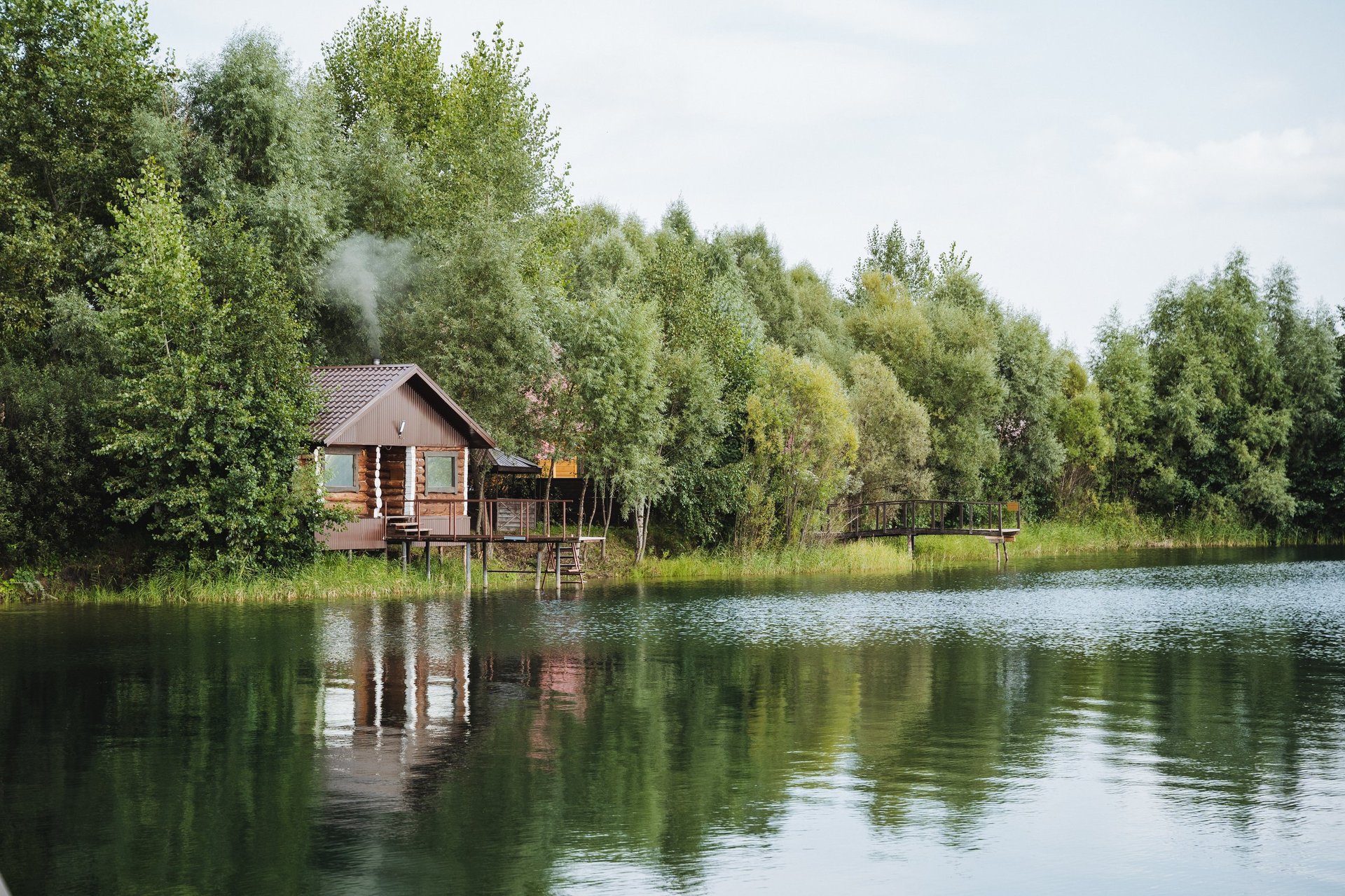
The fundamental case for Pocono investment property hasn't changed much: roughly 100 million people live within a two-hour drive, and a large portion of them are looking for an accessible mountain escape year-round. Skiing at Camelback and Jack Frost in winter, lake access and hiking in summer, fall foliage in between and Kalahari Resort as an all-weather draw regardless of season. The demand base is unusually wide and unusually close.
The STR numbers reflect that. According to market data through early 2026, the average Poconos Airbnb host has been generating around $59,000 annually, with an average daily rate of $342 and a median occupancy of 45%. Properties in the top 10% of performers are bringing in over $13,000 per month during peak months.
Mount Pocono specifically has earned an ROI score of 79 out of 100 from short-term rental analytics platforms, placing it in what analysts call "standout opportunity" territory, with average home values around $243,000–$263,000, creating an attractive revenue-to-price ratio.
The broader market has also stabilised after several volatile post-pandemic years. Price reductions have become more common on average properties, bidding wars are less frequent, and buyers have better negotiating leverage than they did in 2021–2023. For buyers who are prepared and specific about what they want, 2026 is a reasonable time to enter the market.
This is the most important section of this guide. Read it before you look at a single listing.
Short-term rental rules in the Poconos operate at multiple levels simultaneously: state law, township zoning, and HOA covenants. Pennsylvania doesn't restrict STRs at the state level, but since a landmark 2019 PA Supreme Court decision affirmed that municipalities can exclude short-term lodging in residential zones, individual townships have significant authority — and they've used it very differently from one another.
The result is a regulatory patchwork that constantly catches buyers off guard.
What "STR-friendly" actually means varies widely. Some townships permit short-term rentals outright with a straightforward permit process. Others allow them but cap the number of licenses, meaning a community might technically permit STRs but have a waitlist or no available permits. Others have banned new STR licenses while allowing grandfathered properties to continue operating, which means a listing might advertise "STR-eligible" based on an existing permit that doesn't transfer to a new buyer.
HOA rules layer on top of township rules. A property in a township that allows STRs can still be effectively STR-prohibited if the community's HOA covenants restrict rentals under 30 days. This is common in communities that were originally developed as primary-residence neighbourhoods. Conversely, some HOAs in purpose-built vacation communities actively facilitate STR registration.
Communities currently considered STR-permissive (with varying permit requirements) include Pocono Township near Camelback, Tobyhanna Township, Coolbaugh Township near Lake Harmony, and Stroud Township, including sections of communities like Penn Estates and Emerald Lakes. Popular investment communities Arrowhead Lake and Towamensing Trails have also historically supported STR activity, though rules can change.
The only safe approach is to verify STR eligibility directly with both the township and the HOA before making an offer, not after. Your agent should be doing this as a matter of routine on any investment-targeted property.
Not all Pocono STR properties are created equal. The analytics consistently point to a few factors that set top performers apart from the median performers.
Bedroom count matters more than square footage.
Larger properties command higher nightly rates and attract group bookings that drive peak revenue. A four- or five-bedroom property with good sleeping capacity consistently outperforms a two-bedroom with equivalent amenities.
Outdoor amenities are table stakes.
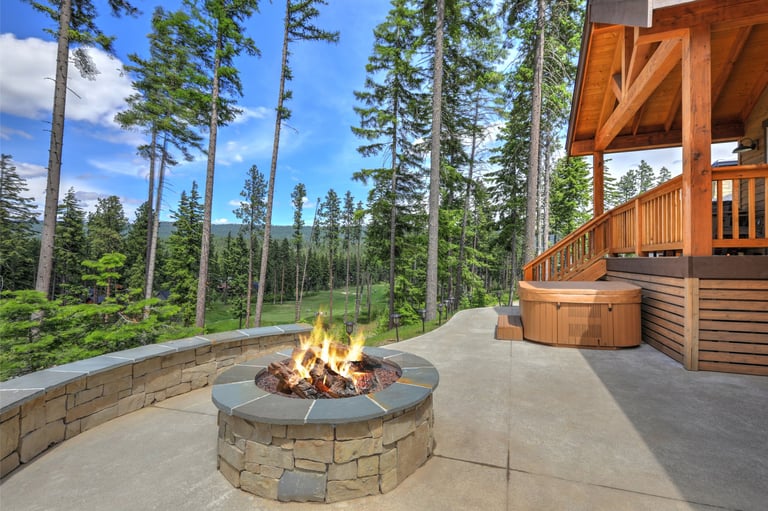
Hot tubs, fire pits, decks and lake or water access aren't optional upgrades — they're baseline expectations. Properties lacking these features compete on price, which compresses margins.
Location within the community matters.
Proximity to lake access, ski resorts, or major recreational amenities drives occupancy. Properties in the interior of a community, far from any water or mountain access, tend to underperform relative to their purchase price.
Turnkey versus project.
Cosmetic updates (furnishings, paint, amenities) can move a property from median to above-median performance. But structural work or major system replacements eat into returns fast.
Before getting into specifics, it's worth being direct about something: the Poconos STR market is competitive. There are nearly 7,000 licensed short-term rental properties across the four Pocono counties. The top 10% perform exceptionally well. The median performer generates a reasonable but not spectacular return. And properties below the median — poorly located, poorly presented or in oversupplied communities — can struggle.
The buyers who do well are those who model their finances conservatively. A few things to build into your projections:
July is the peak month for most Pocono STRs. April is typically the lowest. If your annual return only works if every month performs like July, recalibrate.
Self-managing a Poconos STR from the Lehigh Valley is doable but demanding. Professional property management typically runs 20–30% of gross revenue. That's a real cost, and ignoring it produces fictional returns.
Lenders typically require 10–20% down on second homes, and interest rates are slightly higher than those for primary residences. If the property will primarily be rented rather than personally used, it may need to be financed as an investment property, which still has stricter requirements.
Many Pocono communities charge monthly or annual HOA fees to cover road maintenance, lake access and community amenities. These can range from modest to meaningful and directly affect cash flow.
June is worth understanding as a buyer, not just a vacationer.
The summer rental season runs from June through August and is the highest-occupancy period for most Pocono STRs. If you're targeting a property for rental income, closing before or during peak season lets you start generating revenue immediately rather than waiting through a slow period.
It also means you can actually experience the community as a guest would — see the lake, walk the trails, check whether the deck really is private and assess the condition of a property in the context it'll be used. Buying a lake house in January and discovering in June that the "lake access" is a 15-minute walk across a field is a real thing that happens.
The Chris Troxell Team brings deep local knowledge of Pocono investment communities, from STR regulations to realistic revenue projections. We'll help you find a property that actually works as an investment — and verify the STR eligibility before you make an offer, not after.
Whether you're targeting a lake house near Lake Harmony, a ski-season property near Camelback, or a value-add opportunity in an emerging Pocono community, we'll guide you through the due diligence that separates profitable investments from expensive mistakes.