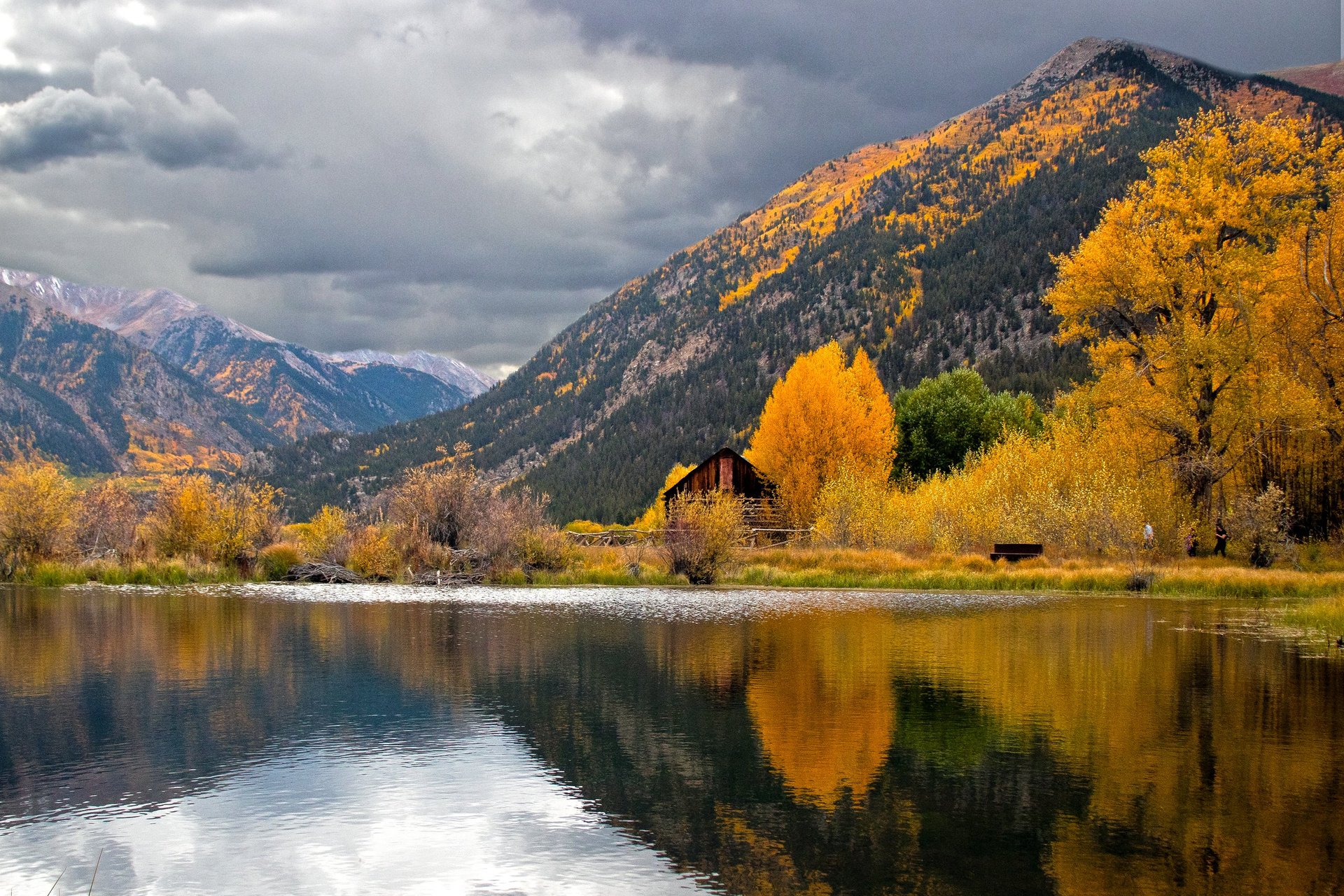
A lonely cabin at Twin Lakes, surrounded by peaceful autumn mountain scenery.
Pocono Mountains Living

What It's Actually Like to Live in the Pocono Mountains Year-Round

The brochure version is beautiful. The honest version is an adjustment for the wrong person. An honest guide to full-time life across Carbon, Monroe, Pike and Wayne counties.

CT
Chris Troxell Team
| September 2026 | Primary Residence Guide

Living in the Pocono Mountains full-time is genuinely appealing for the right person and a real adjustment for the wrong one. The region spans Carbon, Monroe, Pike and Wayne counties with a combined population of several hundred thousand year-round residents. Communities like Stroudsburg, East Stroudsburg, Hawley and Jim Thorpe have genuine infrastructure, including hospitals, school districts, universities and year-round services. The honest trade-offs are real too: long commutes if you work outside the region, limited public transit, winters that are longer and snowier than in the Lehigh Valley, and a social scene that can feel thin in the off-season months. Remote workers, retirees, outdoor enthusiasts and people relocating from higher-cost metros often love it. Full-time office commuters and people who rely heavily on urban amenities often do not.

You drive up on a Saturday in October, and it feels like one of the best decisions you have ever almost made. The leaves are at their peak, the air has that particular mountain crispness, the little downtown looks like something from a movie set and you start wondering what it would actually be like to just stay.

It's worth thinking about carefully. The Pocono Mountains are a genuine place to live, with real communities, real schools and real infrastructure, not just a vacation backdrop. But the gap between what the region feels like in October and what it feels like in February, or on a Tuesday morning when you need to get to work, is significant. This guide closes that gap.

The Honest Version of Pocono Mountains Living

The Poconos is not one place. It is a region spanning portions of four counties, Carbon, Monroe, Pike and Wayne, covering about 2,400 square miles and home to several hundred thousand year-round residents. Some of it is genuinely well-served by services, employers and schools. Some of it is vacation-community infrastructure built for weekenders that doesn't translate well to daily life.

The most important thing to understand upfront is that your experience of living here will depend enormously on exactly where you land. A full-timer in Stroudsburg or East Stroudsburg has access to a university, a regional hospital, multiple school districts and a commercial corridor that functions year-round. A full-timer in a lake community outside Dingmans Ferry may be driving forty minutes to get to a grocery store in winter when the resort amenities around them have closed until Memorial Day.

So when people ask whether the Pocono Mountains is a good place to live, the most honest answer is: it depends on which part, and it depends on who you are.
Which Pocono Communities Have Year-Round Infrastructure

A few communities in the region have the year-round bones that make full-time living genuinely comfortable.

Stroudsburg & East Stroudsburg

Together they form the commercial and civic heart of Monroe County. East Stroudsburg University anchors the area educationally and provides employment, while Lehigh Valley Hospital Pocono is the primary regional hospital. Downtown Stroudsburg has a real Main Street with independent restaurants and shops that stay open year-round, and the density to support daily life.

Hawley

Smaller but it punches above its weight in Wayne County. Lake Wallenpaupack provides year-round recreation, and the Hawley Silk Mill redevelopment brought restaurants, retail and a Lackawanna College satellite campus into a renovated historic building. Residents describe it as a place that feels genuinely alive in winter, not just waiting for summer.

Jim Thorpe

Aroud 4,500 full-time residents in Carbon County with real community infrastructure beyond its considerable tourism appeal. Wayne Memorial Hospital serves the northern Poconos, and St. Luke's Hospital Carbon Campus serves the Carbon County area. Tobyhanna Army Depot in Monroe County supports roughly 3,200 civilian and contractor jobs.

Lake Communities (Caution)

The gated lake communities scattered across Monroe, Pike and Wayne counties deserve caution for full-timers. Many were developed as vacation retreats and have HOA amenities that close in October and reopen in May. Full-timers here often describe feeling isolated in winter, particularly if they moved from a more urban environment. Spend time there in January before you commit.

What the Employment Picture Looks Like

This is probably the biggest practical question for anyone considering a full-time move. The short version: the local employment base is real but limited, and unless you are working remotely or have a specific local employer in mind, the job market here is narrower than in the Lehigh Valley.

Healthcare

The most stable sector. Lehigh Valley Health Network, St. Luke's and local hospital systems provide professional employment that does not fluctuate with the seasons.

Tourism

Supports a wide range of jobs at resorts, restaurants and recreational operations, but those roles are heavily seasonal and less relevant for a career-level move.

Manufacturing

A meaningful presence, with Sanofi Pasteur's vaccine manufacturing facility in Swiftwater being one of the region's most significant employers.

For remote workers, the Pocono Mountains genuinely work well as a primary residence. The combination of relative affordability compared to the Philadelphia or New York suburbs, outdoor lifestyle access and the ability to visit the city on your own schedule rather than a daily commute is exactly what draws a lot of remote workers to the region. Broadband coverage has improved significantly in the past several years, though it is still worth verifying service quality at any specific address before you buy.

Unemployment in the broader Monroe County area runs around 5% to 6.5% depending on the season, slightly above the Pennsylvania state average and reflecting the region's dependence on seasonal tourism employment.

Schools, Healthcare and the Practical Services That Matter

These are the things buyers often don't think to ask about until after they've already moved.

Schools

Schools vary more in the Poconos than in the Lehigh Valley. The Pocono Mountain School District serves around 8,000 students with two high schools — Pocono Mountain West in Pocono Summit and Pocono Mountain East in Swiftwater. The East Stroudsburg Area and Stroudsburg Area districts tend to perform better on state metrics. Research the specific district for any address rather than assuming the region is uniform.

Healthcare

Healthcare access is reasonable in central Monroe County but thins out considerably toward the more rural northern and eastern corners of the region. Lehigh Valley Hospital Pocono in East Stroudsburg handles most of the region's acute care needs. For specialized care, residents often drive to the Lehigh Valley or the New York metro area. Map the drive to relevant specialists before you commit.

Day-to-Day Services

Daily retail and services are concentrated around Stroudsburg, Mount Pocono and the Route 611 corridor. If you are in a lake community twenty minutes from the nearest supermarket on a good-weather day, factor in what that drive looks like after a snowstorm. It is not a dealbreaker for everyone, but it's worth experiencing in person before you decide.

What Winters Are Actually Like

Let's be direct about this because it's what people most commonly underestimate.

The Pocono Mountains sit at higher elevation than the Lehigh Valley and receive significantly more snowfall. Average annual snowfall in the Stroudsburg area runs around 40 to 50 inches, roughly double what Allentown typically sees. The mountains create their own weather patterns, and the gap between what the Weather Channel forecasts and what actually happens at your specific elevation can be meaningful.

For people who ski, snowshoe, or genuinely enjoy winter outdoor activities, this is a selling point. Camelback and Jack Frost Blue Mountain are right there. The trails are accessible. Winter is a reason to be outside, not a reason to stay in. For people who find cold, gray winters depressing and do not have a winter sport to anchor them, several months of that can be a real quality-of-life issue. Full-time residents who moved from warmer climates or from dense urban environments with lots of indoor options sometimes find the Pocono winter harder than they expected.

Road maintenance is generally reliable on the main routes, but private roads and the roads through some lake communities can be slower to clear after significant snowfall. If you commute during winter, ask specifically about road conditions for your route.

Who Tends to Love Living Here Year-Round

After working with buyers across the Pocono region, some patterns hold consistently.

Remote Workers

Remote workers who have made peace with their commute situation, or have no commute at all, tend to be among the happiest full-timers. The combination of space, nature access and lower housing costs is a genuine quality-of-life improvement. Many came for a weekend, stayed in an Airbnb and started wondering why they were paying twice as much for half the space.

Retirees

Retirees are well represented in the full-time resident population, particularly in the Wayne and Pike County communities near lake access. They bring their social networks, aren't commuting, and access to outdoor lifestyles sustains them across seasons in ways working-age buyers sometimes underestimate.

Outdoor Enthusiasts

Outdoor enthusiasts who ski, hike, mountain bike, kayak or rock climb find the Poconos extraordinarily well-positioned. Lehigh Gorge, Delaware Water Gap National Recreation Area, dozens of lakes and the ski areas all sit within a short drive of most communities. For someone whose social life is organized around outdoor activity rather than restaurants and bars, the Poconos can feel right in every season.

The Commute Reality for People Who Work Outside the Region

This is the section that saves people the most time in the decision process.

From Stroudsburg to Allentown via Route 33 south and I-78 west runs roughly 50 to 60 minutes in normal conditions. That is manageable for a hybrid schedule where you are making the trip two or three times a week. It is a genuine grind for five days a week. From the more rural northern Pocono communities toward New Jersey or New York, the commute picture gets more complicated: Route 209 to I-80 east will get you toward the New Jersey border, but the drive from somewhere like Dingmans Ferry to Midtown Manhattan is three hours in good conditions.

There is no commuter rail from the Pocono region to anywhere. There is no subway, no SEPTA extension, no Amtrak stop that makes the commute practical by transit. If you work in a city and need to be there on schedule, you drive. Full stop.

For buyers whose employer is in the Philadelphia suburbs, the drive from the central Pocono area to, say, King of Prussia or Plymouth Meeting runs about 90 minutes. To Center City Philadelphia it is closer to two hours. Some buyers in that situation choose to rent a small apartment in the city for the nights they stay over rather than trying to manage that commute daily. It works for the right person, but it requires an honest assessment upfront.

Frequently Asked Questions

Thinking About a Primary Home in the Poconos?

The Chris Troxell Team works with buyers across the Pocono Mountains, from first-time buyers looking at primary residences to investors evaluating the short-term rental market. If you are seriously considering a full-time move to the region, we can give you an honest read on which communities fit your lifestyle and budget, and what the market actually looks like right now.