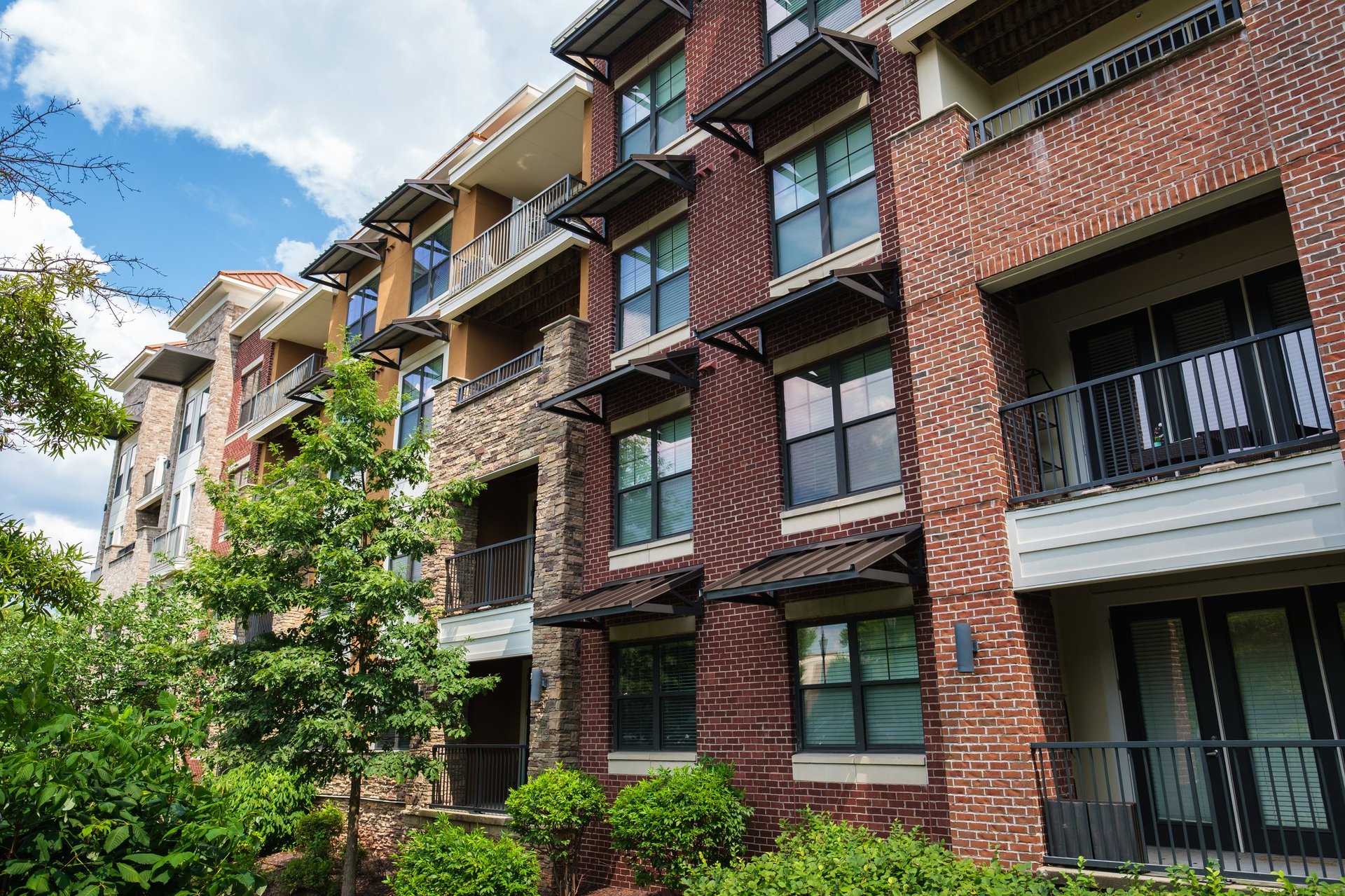
96.1% occupancy, 10 applicants per unit, and no rent control — the data behind one of the country's hottest small rental markets.
Not everyone who ends up as a landlord in the Lehigh Valley planned to be one. Some people inherited a home they're not ready to sell. Some relocated for work and couldn't time the sale. Some bought a new home before selling the old one and decided the rental income made more sense than taking a hit on a rushed sale. The term for these situations is the accidental landlord, and it's one of the more common real estate situations we encounter.
Then there are investors who have looked at the Lehigh Valley's rental market data and decided they want to be here deliberately. For both groups, understanding what the market actually looks like, what the law requires and what the trade-offs are between renting and selling is the starting point for making a good decision.
A 2026 report from RentCafe named the Lehigh Valley the third hottest small rental market in the United States. The occupancy rate sits at 96.1%, which is 3% higher than the national average. On average, ten people are competing for every available unit in the region, compared to seven nationally. The underlying driver is straightforward: the Lehigh Valley's population and employment base have grown faster than its rental housing supply, creating structural undersupply that keeps vacancy low and demand high.
The tight ownership market has amplified the rental pressure. With the Lehigh Valley's median home sale price at $375,000 and mortgage rates in the mid-6% range through mid-2026, the monthly cost of buying a median-priced home significantly exceeds the monthly cost of renting a comparable unit. That gap has kept more households in the rental market for longer than they might otherwise stay, sustaining demand even as some new rental supply has come online.
Key takeaway: Pennsylvania has no statewide rent control, and the Lehigh Valley has not adopted local rent stabilization ordinances. Landlords have broad authority to set and adjust rents between tenancies, subject only to the terms of existing leases. That regulatory environment, combined with the structural supply shortage, makes the Lehigh Valley one of the more landlord-friendly rental markets in the northeast.
Rental data varies across sources depending on methodology, but the directional picture is consistent. Here is what the market looks like across the main communities.
| Market | Average/Median Rent | 1-Bed Range | 2-Bed Range |
|---|---|---|---|
| Allentown | ~$1,629 to $1,662/mo | ~$1,508 to $1,828 | ~$1,763 to $1,823 |
| Bethlehem | ~$1,800/mo median | ~$1,690 (flat YoY) | ~$2,097 (up 7% YoY) |
| Easton | Below Bethlehem | Competitive for studios | Growing demand |
| Macungie/East Penn | Single-family higher | $1,600 to $2,000+ | $1,900 to $2,400+ |
| Center Valley/S. Lehigh | Premium suburban | $1,800 to $2,200+ | $2,100 to $2,700+ |
| Lehigh Valley overall | ~$1,836/mo avg | Varies by location | High demand across all sizes |
A few things worth noting from the data. The Macungie and Center Valley corridors, where single-family rental inventory is undersupplied relative to demand, tend to command rents above the Allentown city average, reflecting both the school district premium and the relative scarcity of well-maintained single-family rentals in those areas.
Allentown city rents run roughly 9% below the Bethlehem median, with pockets like Downtown Allentown commanding significantly higher rates than the city average due to newer construction and NIZ-adjacent amenities. Year over year, Allentown rents have been rising 3% to 3.3% consistently, in line with the broader Lehigh Valley appreciation trend.
This is the question most homeowners who didn't plan to become landlords are really asking. The honest answer is that it depends on a few variables specific to your situation, but there are some useful frameworks.
A practical calculation that helps: take the monthly rent you could realistically achieve, subtract your mortgage payment, property taxes, insurance and a 10% maintenance reserve. If the remainder is positive and represents a reasonable return on your equity, renting makes economic sense. If the numbers are tight and your equity is substantial, selling and deploying that equity elsewhere may be the better financial move.
Important tax note: If you have lived in the property for two of the last five years, selling now may allow you to exclude up to $250,000 (or $500,000 for married couples) of capital gains from taxation under the federal primary residence exclusion. Once you convert the property to a rental, the clock keeps running on that five-year window. If you are in a position where this exclusion is meaningful, consulting a tax professional before deciding to rent rather than sell is worth doing.
Pennsylvania's rental relationships are governed primarily by the Landlord and Tenant Act of 1951 (68 P.S. sections 250.101 et seq.). The state provides a relatively balanced landlord-tenant framework, without rent control, with broad authority for landlords to set and adjust rents, and with clear procedural requirements for eviction, security deposits and habitability. Here are the key rules every Lehigh Valley landlord needs to understand.
Landlords may collect a maximum of two months' rent as a security deposit during the first year of a tenancy. After the first year, the maximum drops to one month's rent. Deposits must be returned within 30 days of lease termination, along with an itemized list of any deductions. Deductions are permitted for unpaid rent and for damage beyond normal wear and tear — not for normal aging of the property. If landlords hold a deposit for more than two years, they must pay interest on it. Tenants who don't receive their deposit back within 30 days can sue for twice the deposit amount.
Pennsylvania requires written notice before beginning any eviction. For nonpayment of rent, landlords must provide a 10-day written Notice to Quit. For any other lease violation or at the end of a lease term, the notice period is 15 days. For illegal drug activity on the property, a 10-day notice applies. Landlords cannot use self-help eviction methods such as changing locks, removing doors or shutting off utilities. All evictions must go through the court process.
Pennsylvania landlords are legally required to maintain rental properties in a habitable condition, including working plumbing, heat, electricity and structural integrity. Properties must meet health and safety codes. Landlords must make necessary repairs in a reasonable timeframe after receiving notice from tenants. Verbal notice is permitted under Pennsylvania law, though written notice is strongly preferred for documentation purposes.
Pennsylvania has no statewide statute specifying a required notice period before a landlord may enter a rental unit. Common law and municipal ordinances govern instead. Best practice, and what most courts expect, is providing at least 24 hours' notice for non-emergency entry. Emergency entry for urgent repairs does not require advance notice.
Pennsylvania has no statewide rent control, and the Lehigh Valley has not adopted local ordinances. Landlords may increase rent between lease terms without statutory limit. During an active lease term, rent may not be increased unless the lease specifically permits it. For month-to-month tenancies, a 15-day notice is required before terminating the arrangement.
The accidental landlord situation comes up in two main forms: inheriting a property you are not ready to sell, and relocating before you have sold your current home. The practical steps are similar in both cases, but the emotional and financial context differs.
Before renting, confirm clear title and that the estate has been properly administered. An inherited property with unclear title creates problems for landlords that compound over time. Get a professional appraisal to establish the stepped-up cost basis (important for eventual sale tax calculations). Assess the property's condition honestly before committing to renting: deferred maintenance that a buyer might accept as-is will affect your ability to attract quality tenants and comply with habitability standards. Our inherited property guide covers the full process in more detail.
The primary residence capital gains exclusion question is the most important tax consideration. If you have lived in the home for two of the last five years, you may still be eligible for the exclusion on a near-term sale. Converting to a rental while you evaluate the market is reasonable, but understand that the clock is running. A tax advisor can help you understand your specific window.
Property management fees in the Lehigh Valley typically run 8% to 12% of monthly rent for full-service management. For accidental landlords managing from a distance or without prior experience, professional management is often worth the cost. It handles tenant screening, lease execution, rent collection, maintenance coordination and legal compliance, and it removes you from the direct landlord role that most accidental landlords find more demanding than they expected.
The Chris Troxell Team works with homeowners across the Lehigh Valley and Berks County who are weighing exactly this decision. Whether you're considering holding a property as a rental, evaluating a buy-and-hold investment purchase, or trying to decide whether the time is right to sell, we can walk you through what the numbers look like in your specific situation.