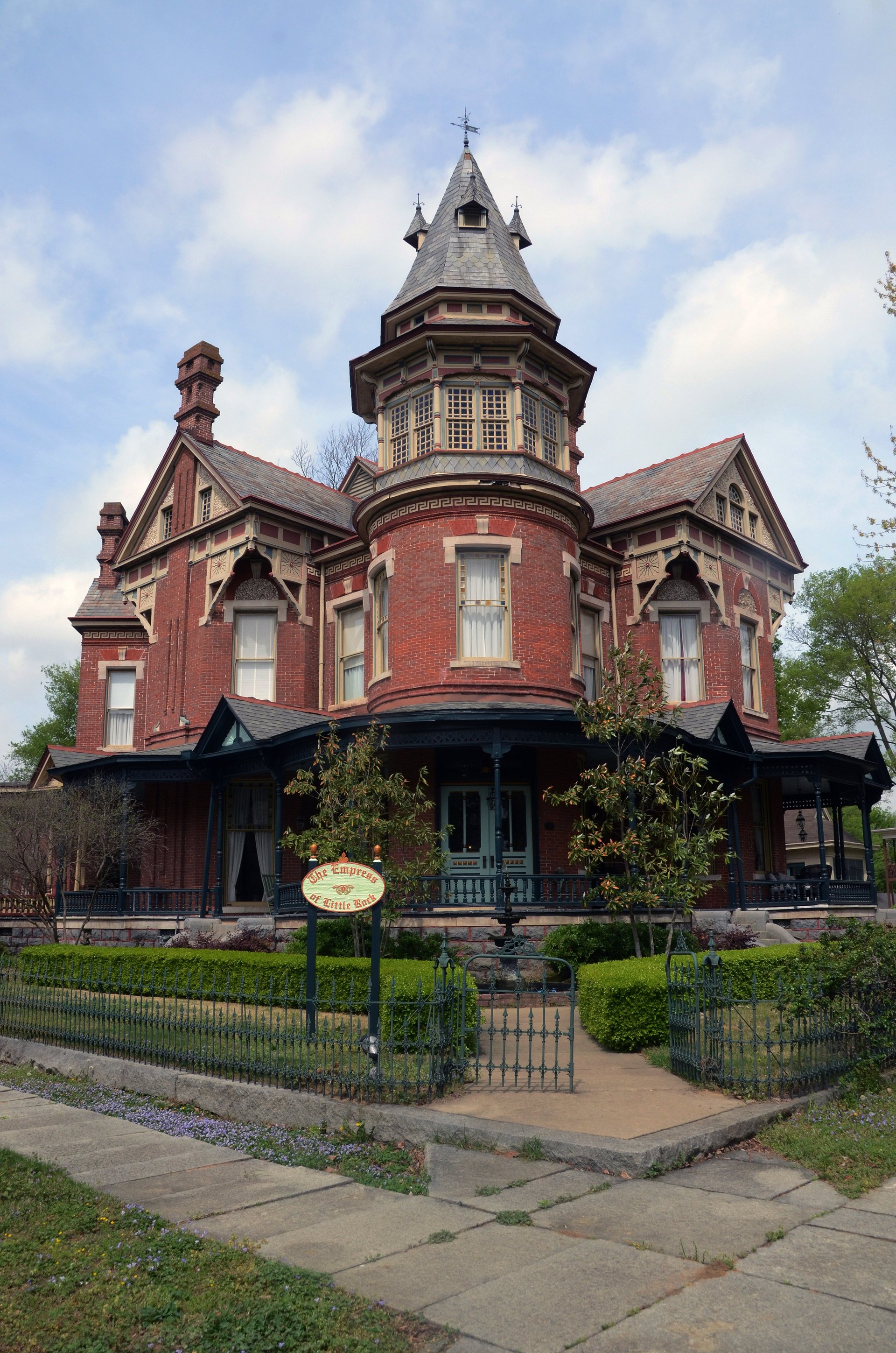
Historic Home Guide
What Should I Know About Buying a Historic Home in Old Allentown or the West End?
CT
Chris Troxell Team
Owning a piece of Lehigh Valley history is a dream for many, but purchasing a home in a designated historic district — such as Old Allentown, the West Park neighborhood, or the Old Fairgrounds — comes with a unique set of responsibilities. Unlike buying a modern home in a suburban development, becoming a steward of a historic property requires a balance between modern comfort and architectural preservation. If you're exploring Allentown real estate, here is what every buyer should know.
The most important thing to understand is the role of the Historical Architectural Review Board, commonly known as HARB. In Allentown, if your home falls within a historic district, any exterior changes visible from the street must be reviewed and approved.
This includes everything from the color of your front door to the material used for your windows. While this might sound restrictive, it is actually the mechanism that protects your investment — it ensures that a neighbor cannot install modern vinyl siding or inappropriate fixtures that would detract from the Victorian or Federal-style charm of your street.
Front Door Color
Requires HARB approval
Window Materials
Requires HARB approval
Exterior Fixtures
Requires HARB approval
Historic craftsmanship is beautiful, but it often demands materials you won't find at a standard hardware store. For example, you may need to source lime-based mortar for brickwork or custom-milled wood to match original trim.
Inspection Tip
Work with a home inspector who understands vintage infrastructure. In the 2026 market, many insurance companies have become more particular about older systems — pay close attention to the status of your electrical wiring and plumbing before closing the deal.
Do not let the exterior rules discourage you from modernizing inside. For the most part, the historic guidelines stop at your front door. You are free to create a contemporary open-concept floor plan or install a high-end chef's kitchen with the latest smart technology.
Furthermore, Allentown's updated 2026 zoning ordinances have made it easier for homeowners to incorporate energy-efficient upgrades, provided they are placed strategically to respect the home's original silhouette.
Buying a historic home in Allentown is about more than just square footage — it is about buying into a community that values character and longevity. While the process requires a bit more homework, the result is a home that offers a level of detail and "soul" that new constructions simply cannot replicate. Our team has deep experience navigating the buyer process in historic districts — we'll make sure there are no surprises.
Historic homes require an experienced guide. We know the districts, the HARB process, and the inspectors who specialize in vintage properties. Let's talk.